Mood disorders do more than affect how you feel – they shape how you think, function, and move through daily life. Whether your moods sink into prolonged lows, swing between extremes, or shift in ways you cannot predict, these changes are not a matter of willpower. They are symptoms of treatable medical conditions, and with the right care, stability is within reach.
Santa Clara Mental Health provides comprehensive mood disorder treatment for adults across the Bay Area. Our licensed psychiatrists and therapists specialize in the full spectrum of mood conditions, using proven methods tailored to your symptoms, patterns, and goals. Whether you are facing persistent depression, dramatic mood swings, or a recent diagnosis, we offer personalized treatment options – including same-day admissions when you need immediate support.
Reach out to Santa Clara Mental Health today at (408) 741-9292 or contact our team to speak with a specialist and take the first step toward steadier ground.
A mood disorder is a mental health condition in which a persistent disturbance in your emotional state interferes with daily functioning. Unlike the ordinary ups and downs everyone feels, these mood changes are more intense, longer lasting, and harder to control. They affect millions of adults in the United States and span a wide spectrum – from conditions defined by persistent low mood to those marked by dramatic swings between depression and elevated states.
Mood disorders arise from a mix of brain chemistry, genetics, life experience, and stress – they are not a weakness or something you can simply think your way out of, and they tend to worsen without treatment. Because mood is shaped by biology, thoughts, relationships, and sleep all at once, our whole-person mental health approach treats each of these dimensions together rather than chasing symptoms in isolation.
Mood disorders include several distinct conditions, each with its own pattern and treatment needs. Our clinical team is experienced across the full range, including conditions that overlap or have gone unidentified for years.
Major depressive disorder brings persistent sadness, loss of interest, and physical and cognitive symptoms that interfere with daily life. For those whose primary struggle is depression, our specialized depression treatment focuses on lifting symptoms and building lasting resilience.
Persistent depressive disorder, or dysthymia, is a chronic, lower-grade depression that can linger for years. Because the symptoms are milder but far more enduring, many people assume their ongoing low mood is simply who they are – when it is actually treatable.
Bipolar disorder cycles between depressive lows and elevated or manic states, while cyclothymia involves milder but chronic fluctuations. Both call for careful, coordinated care, which is why our dedicated bipolar disorder treatment pairs structured psychiatric support with the right therapeutic foundation.
Seasonal affective disorder is depression that follows a seasonal pattern, usually emerging in the darker fall and winter months. The shift in light and routine can bring low mood, fatigue, and changes in sleep and appetite that ease with the seasons – but deserve real treatment in the meantime.
Mood disorders show up through persistent lows, periods of elevated energy, or a mix of both. Recognizing the pattern is an important first step toward getting help.
Effective mood disorder treatment works on two fronts at once – the biology that drives mood and the thoughts and behaviors that sustain it. After a thorough assessment of your symptoms, history, and goals, your team builds a plan from our broader therapy options, drawing on methods that fall under Evidence-Based Therapy and are proven effective for mood conditions.
Cognitive Behavioral Therapy helps you identify and reshape the negative thought patterns that fuel and prolong mood symptoms. By learning to catch distorted thinking and replace it with more balanced perspectives, you gain practical tools to interrupt downward spirals and build steadier emotional habits.
Dialectical Behavior Therapy is especially valuable for moods that shift intensely or rapidly. Its four core skills – mindfulness, distress tolerance, emotion regulation, and interpersonal effectiveness – give you concrete strategies to manage swings and stay grounded through difficult moments.
Acceptance and Commitment Therapy helps you make room for difficult emotions without being ruled by them. Through mindfulness and values-based action, it supports you in moving toward a meaningful life even when your mood is low, easing the avoidance and withdrawal that deepen mood disorders.
Mindfulness-Based Stress Reduction uses meditation and present-moment awareness to ease the stress and rumination that often accompany mood disorders. Observing thoughts and feelings without judgment builds resilience against the negative spirals that can trigger or prolong an episode.
For many mood disorders, medication is central to effective care. Our board-certified psychiatrists may recommend antidepressants, mood stabilizers, or other medications to steady brain chemistry – especially for conditions like bipolar disorder, where medication is often essential. Decisions are collaborative, with careful monitoring over time.
Mood disorders vary widely in how much they disrupt daily life, so the right starting point differs from person to person. We offer several levels of care and help you step into the one that fits your symptoms, with the freedom to move between them as you stabilize.

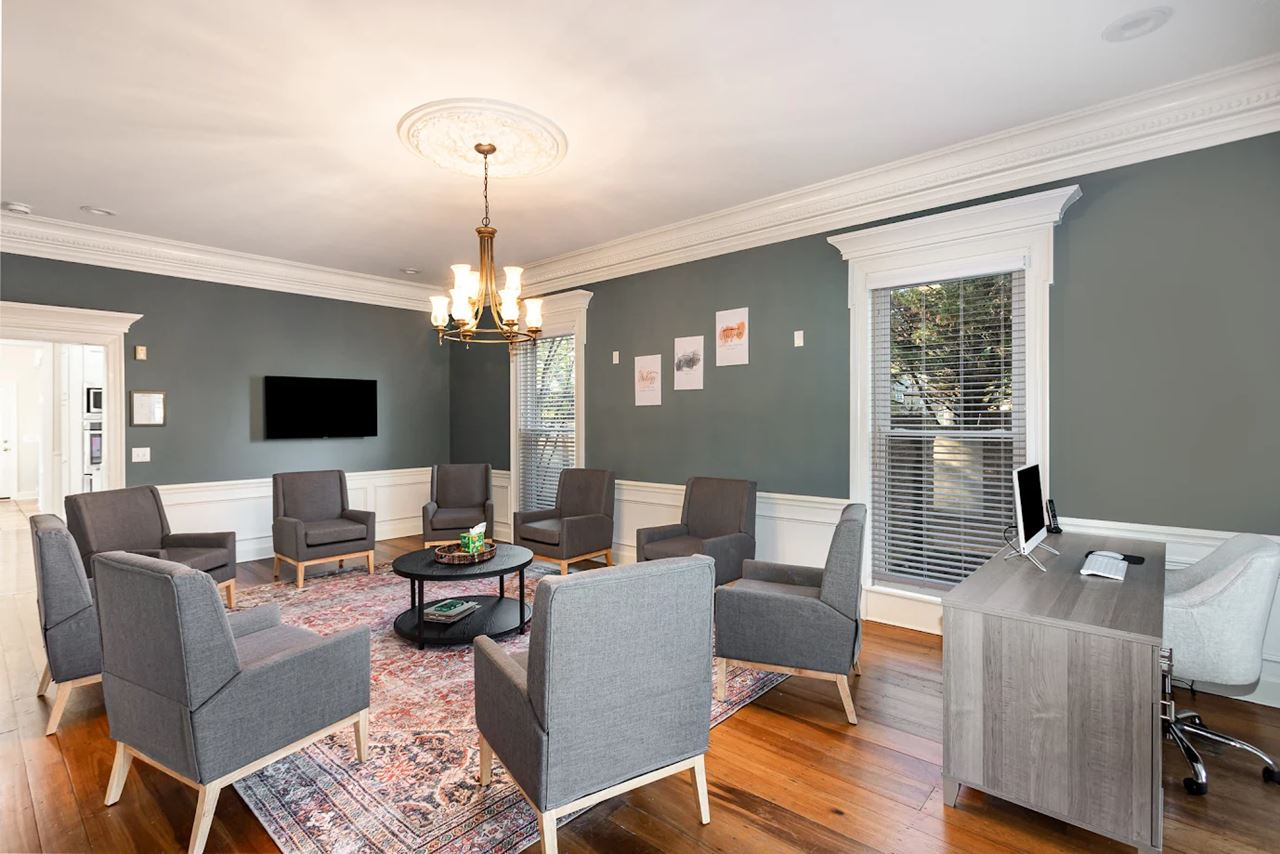
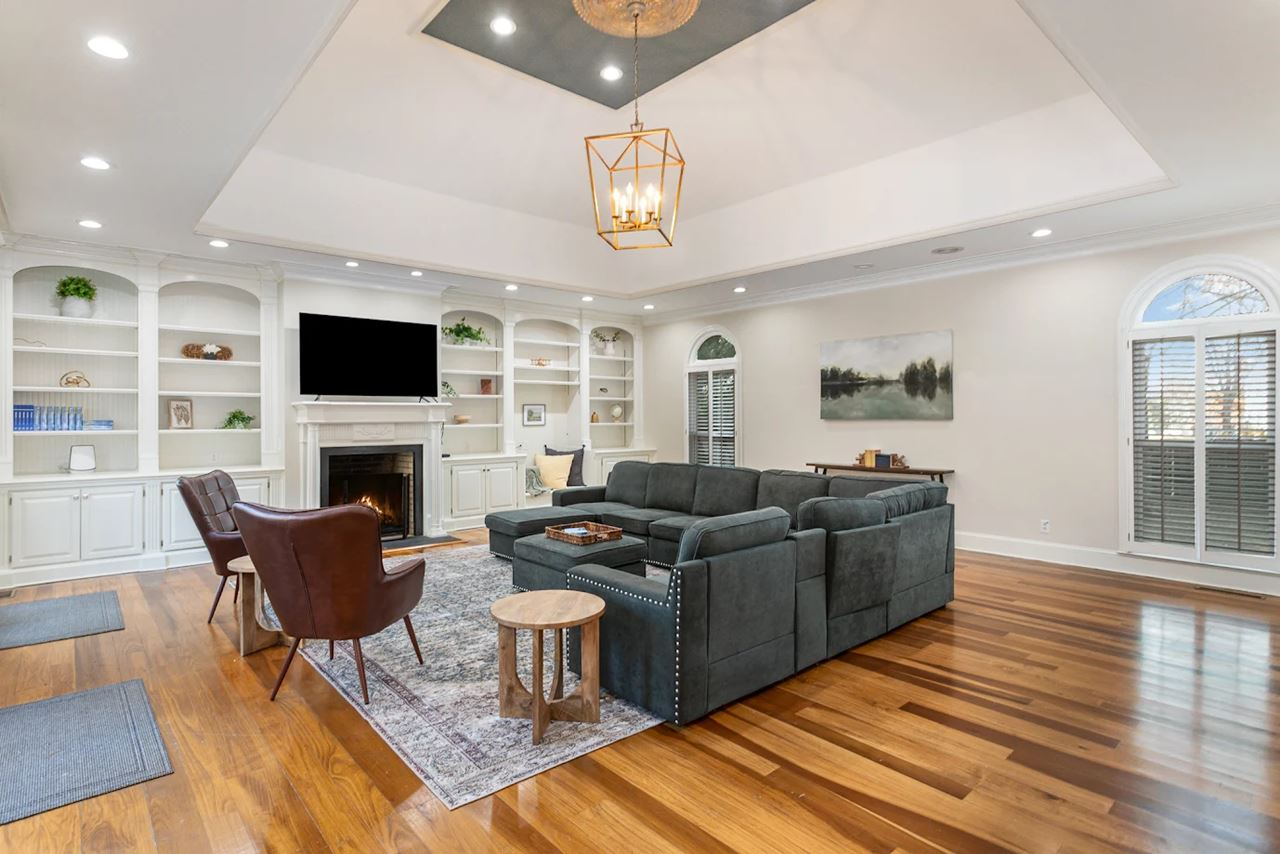
Our most intensive option, residential treatment, is built for individuals whose mood symptoms have become severe, unsafe, or unresponsive to outpatient care. Clients live on-site at our pet-friendly Santa Clara facility, where a full daily schedule of therapy, psychiatric care, and medication management delivers the stability an unstructured environment cannot.

For those who need real structure but can safely stay at home, our Virtual Intensive Outpatient Program delivers several clinician-led sessions each week, entirely online. It blends group work, skill-building, and one-on-one check-ins – a strong fit for adults balancing treatment with work, school, or family, or stepping down from residential care.

Because mood disorders are so often managed over the long term, what comes after a program matters as much as the program itself. Our aftercare and discharge planning team maps out your continued care – follow-up appointments, early-warning strategies, and community connections – so your hard-won stability holds.
Because medication is often central to mood stability, on-site psychiatrists manage it alongside your therapy as one coordinated plan – not a separate referral.
Mood conditions are easy to misread. We take the time to distinguish depression from bipolar-spectrum disorders so your treatment targets what you are actually facing.
Based in Santa Clara and easy to reach across the South Bay and Peninsula, we keep you connected to your support system while you focus on getting well.
No two mood disorders are alike. Your treatment is built from your specific symptoms, patterns, co-occurring conditions, and goals.
We combine CBT, DBT, ACT, and holistic wellness support, choosing the mix that works best for your condition rather than a fixed formula.
From residential care to Virtual IOP and aftercare, one coordinated team carries you through each stage and protects your progress for the long term.
With mood disorders, the first and most important step is an accurate diagnosis. Because depression and bipolar-spectrum conditions can look nearly identical during a low period yet call for very different treatment, your care begins with a careful evaluation of your mood history, current symptoms, and how they affect your life – the foundation everything else is built on.
From that evaluation, your team shapes a plan around goals that matter to you, whether that means lifting a depressive episode, steadying mood swings, or rebuilding the routines that keep you balanced. For most mood disorders, stabilizing your day-to-day comes first – once that footing is in place, deeper therapeutic work can take hold and last.
Treatment is not static. Your clinicians track how you respond and adjust both therapy and medication as you go, and many clients find that group therapy offers something individual sessions cannot – the relief of sharing the experience with others who understand it. The aim throughout is not only to feel better now, but to leave with skills and a plan that hold up long after treatment ends.
The same drive that powers the Bay Area can wear on emotional health. Punishing schedules, high financial stakes, and a culture that prizes constant output leave little room to slow down – and that pressure can deepen lows or amplify mood swings that are already hard to control. Many people here keep performing outwardly while quietly struggling to stay afloat.
Stability does not come from pushing harder, and a mood disorder rarely lifts on its own. We work with professionals, parents, students, and people from every corner of Bay Area life who are ready to stop coping in silence and build real, lasting balance. A mood disorder is a medical condition, not a character flaw, and asking for help takes genuine strength.
Our Santa Clara facility anchors the locations we serve across the South Bay and Peninsula, keeping care within reach whether you come on-site or join virtually. You are always welcome to tour our facility or learn more about us before deciding what feels right.
Starting treatment should feel like relief, not another obstacle. The first step is simple: call (408) 741-9292 or reach out by contacting our team, and an admissions specialist will listen, explain how our programs work, and help you find the right fit – with no pressure and complete confidentiality.
From there, we handle the details. Our admissions process guides you through everything from coverage to scheduling your first evaluation, and you can verify your insurance in just a few minutes. Whenever you are ready, we are here – and for those who need to begin right away, same-day admissions make it possible to start today.
Mood disorders include major depressive disorder, persistent depressive disorder (dysthymia), bipolar disorder, cyclothymia, and seasonal affective disorder, among others. They share one thread – a significant, lasting disturbance in mood – but each has its own pattern and treatment needs, which is why accurate diagnosis matters so much.
Depression and bipolar-spectrum conditions can look alike during a low period, but bipolar disorder also brings episodes of elevated or unusually energized mood. Only a thorough evaluation can tell them apart, and getting it right matters because the two are treated differently.
There is no single timeline – it depends on your condition, the severity of your symptoms, and how you respond. Some people need a few focused weeks – others progress over a longer stretch. Because certain mood disorders are managed for the long term, ongoing aftercare is often built into the plan from the start.
Yes – we partner with most major insurance providers in California. The fastest way to see what your plan covers is to verify your insurance, or call (408) 741-9292 and our admissions team will check your benefits for you.
Often, yes. Our Virtual IOP is built for adults who need to keep up with work, school, or family during structured treatment, with sessions you attend from home. If you need a more immersive level of support first, residential care can provide that foundation before you ease back into daily life.
It is. We know how much comfort an animal can offer during a hard season, so Santa Clara Mental Health welcomes pets as part of our pet-friendly environment.
By using this Website, you agree to our Privacy Policy and Terms of Use. We use cookies and similar technologies, including pixels and web beacons, for analytics and advertising. Some of our providers may receive information collected through these technologies and use it in accordance with their own privacy policies. Select “Preferences” to customize your choices, “Accept” to allow all cookies and similar technologies, or “Decline” to allow only those necessary to operate the Website. You can change your choices at any time.