Choosing mental health treatment usually comes down to one practical question: how much structure do you need right now? The honest answer is different for every person, and it often shifts over the course of recovery. That is why effective treatment is organized into distinct levels of care rather than a single, fixed program.
Santa Clara Mental Health offers a connected range of programs for adults across Silicon Valley – from intensive, full-time residential support to flexible care you can attend from home. Each level links to the next, so you can move to a higher intensity when symptoms escalate or ease into a lighter one as you stabilize, all while staying with the clinical team that already knows your story. Below, you will find what each level involves, the kinds of situations it tends to fit, and how to decide where to begin.
Not sure which option matches your situation? A brief, confidential conversation can point you in the right direction.
Contact Santa Clara Mental Health at (408) 741-9292 or visit our Contact Us page for a free, confidential assessment to begin your journey toward recovery and renewed hope.
A level of care describes how intensive your treatment is and where it takes place – how many hours a day you spend in programming, how much clinical supervision you receive, and whether you live on-site or join remotely. Higher levels provide more structure, monitoring, and support. Lower levels trade some of that structure for the independence to keep up with work, school, or family life.
Which level fits depends on a handful of factors: how severe your symptoms are, whether safety is a concern, how much daily functioning has been affected, and how much support you have at home. None of these are fixed. People routinely begin at one level and transition to another as their needs change, and that movement is a normal, planned part of the process – not a sign of failure.
It helps to picture the levels as points along a continuum rather than separate, disconnected programs. At the more intensive end, treatment surrounds you with daily structure, close monitoring, and a team only a few steps away. Toward the lighter end, treatment fits into the life you are already living. Matching the intensity to your needs at each stage is what makes care both effective and sustainable.
The overview below compares the three levels of care available at Santa Clara Mental Health at a glance.
Adults with severe or acute symptoms who need a safe, supervised place to stabilize
A full-time stay with 24/7 on-site care
Daily individual and group therapy, integrated psychiatric care, and wellness programming in a comfortable, pet-friendly setting
Adults who need more than weekly therapy but can remain safely at home
Several clinician-led sessions each week, attended online
Group and individual sessions plus skills-based education, available anywhere in California
Anyone completing a structured program who wants to hold onto their progress
Ongoing support that tapers over time
A personalized continuing-care plan, community referrals, and relapse-prevention support for the return to daily life
Every level draws on the same licensed clinicians and the same evidence-based methods. What changes from one to the next is the intensity and setting of care – not its quality.
Outpatient therapy once a week is the right amount of support for a great many people and concerns. But there are stretches when a single weekly session cannot keep pace with what someone is going through. Noticing those moments early can keep a hard situation from turning into a crisis.
It may be worth considering a higher level of care if you recognize signs like these:
Recognizing several of these does not necessarily mean you need the most intensive option. It means a conversation with a clinician is worth having. A short assessment can clarify how much structure would actually help – and, just as often, reassure you about what you do not need.
The summaries below explain who each program tends to serve and what it offers. Each one links to a dedicated page with a full breakdown of daily structure, therapies, and admissions details.

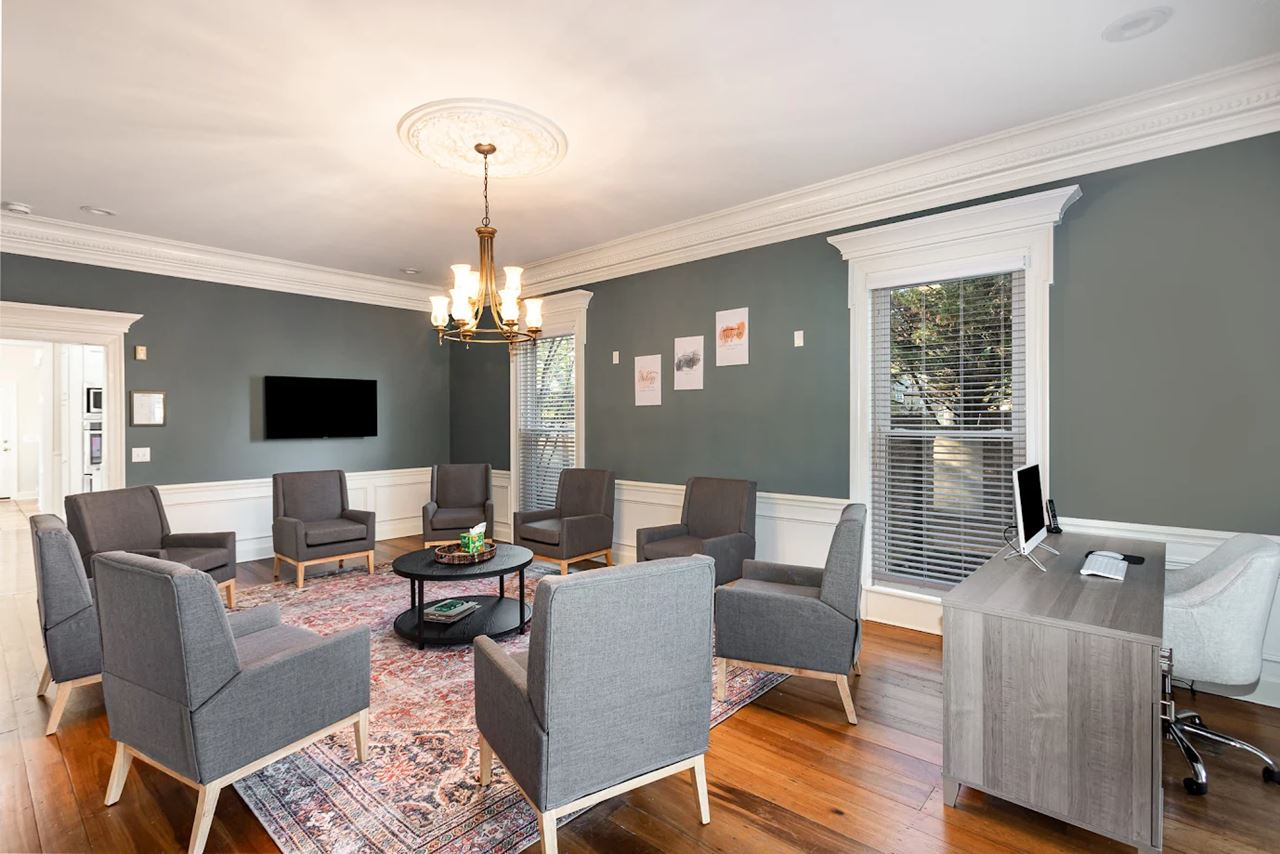
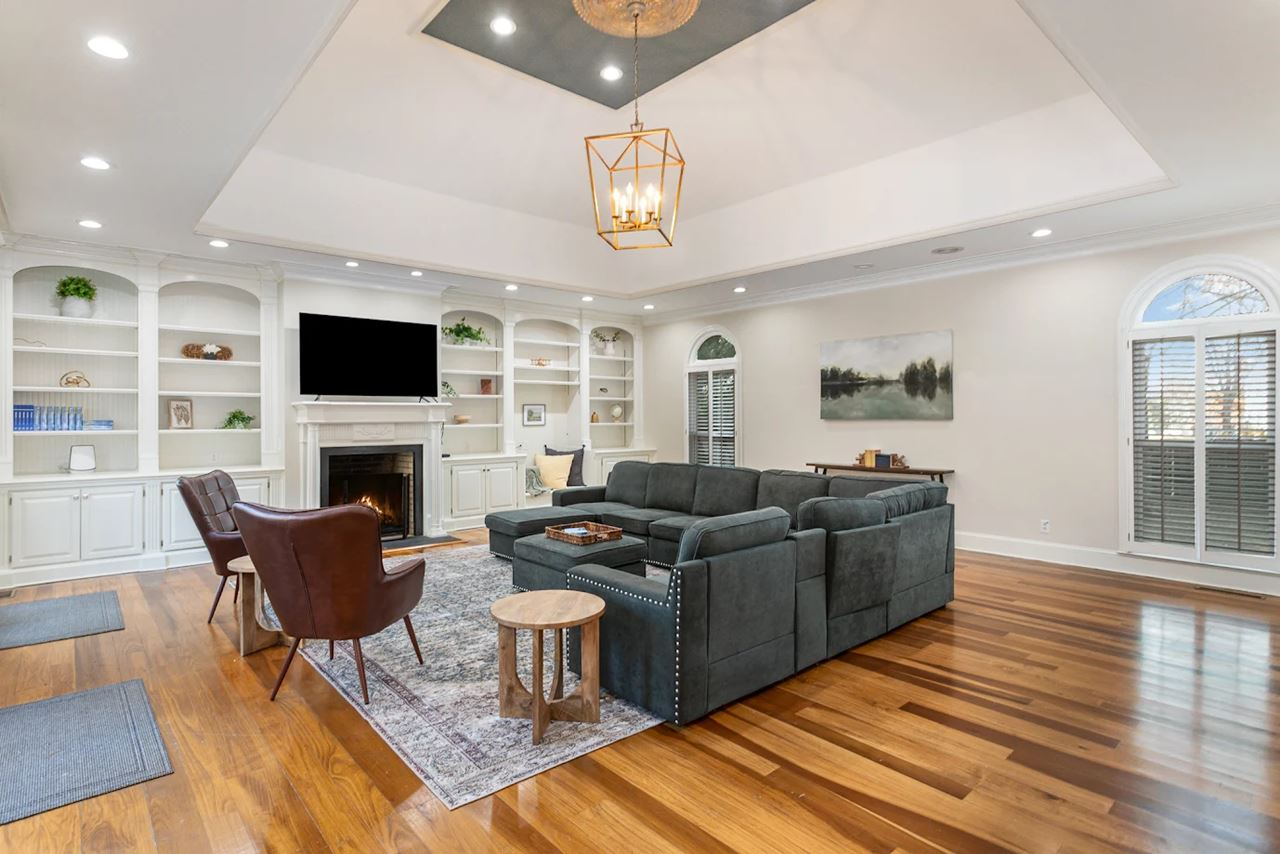
Residential care is the most intensive program we offer outside of a hospital. Clients live at our Santa Clara facility and follow a structured daily schedule of therapy, psychiatric care, and wellness activities, with clinical staff close at hand. It suits adults whose symptoms have become too severe for weekly outpatient sessions – including those managing severe depression, post-traumatic stress, bipolar disorder, or psychosis – as well as those who need crisis stabilization in a safe, monitored environment.
Because clients step away from outside stressors, residential treatment creates room to focus fully on recovery. A predictable daily rhythm of consistent meals, sleep, therapy, and rest helps rebuild the routines that a mental health condition often erodes. Private accommodations, nutritious meals, and a pet-friendly policy help the setting feel calm rather than clinical.
Residential care may be a strong fit if you:
Explore the full program on our residential treatment page.

A Virtual IOP bridges the gap between weekly therapy and full-time care. You attend several clinician-led sessions each week – combining group work, individual check-ins, and skills education – from wherever you are in California. It works well for adults who need consistent, structured support but can stay safely at home and keep up with some daily responsibilities.
Virtual programming is also a common next step after residential care. Continuing treatment remotely lets you re-enter work, school, and family routines gradually while keeping the clinical momentum you have built. Sessions are scheduled to work around your existing commitments rather than replace them, which makes the program easier to sustain over several weeks.
A Virtual IOP may suit you if you:
See how sessions are structured on our Virtual IOP page.

Treatment does not stop the day a program ends. Aftercare planning begins well before discharge and gives you a clear, written roadmap for maintaining the gains you have made. That plan typically includes recommendations for ongoing therapy, connections to community resources, and strategies for handling triggers and high-pressure situations. The goal is for you to leave not only feeling better, but with a practical plan you can actually follow.
Continued group support is often part of the plan as well. Relapse prevention groups help you recognize early warning signs and reinforce coping skills long after structured treatment wraps up.
Aftercare planning helps you:
See what continuing care looks like on our aftercare and discharge planning page.
You do not have to figure out the right level on your own. Every admission begins with a complimentary clinical assessment, in which a licensed clinician reviews your symptoms, history, safety, and current daily functioning, then recommends the level of care that matches what you are facing. The conversation is confidential and carries no obligation.
During that assessment, our team weighs factors such as:
From there, we build a personalized treatment plan around your goals and recommend a place to start. Same-day admissions are available when someone needs to begin right away.
From there, we build a personalized treatment plan around your goals and recommend a place to start. Same-day admissions are available when someone needs to begin right away.
One of the biggest advantages of receiving care through a single facility is continuity. As your needs change, you can move up to a more intensive level or step down to a lighter one without switching providers or rebuilding trust from scratch. Your treatment history, your clinicians, and your plan follow you across every level.
A common path runs from residential care to a Virtual IOP and then into aftercare – but the route is built around you, not a template. The same individual therapy, group therapy, and family therapy that anchor our residential program continue through outpatient care, so the work stays consistent even as the structure loosens. Stepping up is just as straightforward as stepping down: if a few difficult weeks call for more support, we can intensify your care quickly instead of starting a referral process somewhere new.
The intensity of care changes as you move through the continuum. The standard of care does not. At every level, you work with the same licensed psychiatrists, therapists, and wellness professionals, and you receive the same evidence-based, trauma-informed treatment built on respect for your identity and experience.
We also accept most major insurance plans across California, which keeps the focus where it belongs – on your recovery rather than the logistics of paying for it.
We also accept most major insurance plans across California, which keeps the focus where it belongs – on your recovery rather than the logistics of paying for it.
Wherever you fall on the spectrum – needing immediate, intensive support or a structured way to keep your progress going – there is a level of care designed for it. Our facility sits in the heart of Santa Clara, with convenient access from San Jose, Sunnyvale, Palo Alto, and communities throughout the Bay Area, and our Virtual IOP extends that same care to adults statewide. Same-day admissions mean you rarely have to wait long to take the first step.
When you are ready, we are here to help.
Contact Santa Clara Mental Health at (408) 741-9292 or visit our Contact Us page for a free, confidential assessment to begin your journey toward recovery and renewed hope.
Yes – and many clients do. If your symptoms intensify, you can step up to a more structured level, and as you stabilize, you can step down to a lighter one. Because the same clinical team guides you throughout, there is no need to restart treatment or repeat your history with new providers.
Most major California insurance plans help cover residential and intensive outpatient programming, and confirming your benefits takes only a minute. You can verify your insurance online for free, with no obligation to commit.
No. Our Virtual IOP delivers structured, clinician-led treatment remotely, so you can take part from home anywhere in California – from San Jose to the wider service area. Living on-site through residential care is reserved for those who need round-the-clock supervision and support.
Before you finish, your team builds an aftercare and discharge plan tailored to your situation. It typically includes ongoing therapy, community referrals, and tools like relapse prevention groups, and the transition is handled by the same clinicians who guided your earlier care.
Standard outpatient therapy usually means about one session a week. A Virtual IOP is more intensive – several clinician-led group and individual sessions each week, drawing on the same evidence-based therapies used across our programs – while still letting you live at home. It is built for people who need more support than weekly therapy but do not require a residential stay.
No. Hospitalization centers on short-term crisis care and medical stabilization, while residential treatment offers an extended, therapy-focused stay in a comfortable, home-like setting. On the continuum of care, residential sits one step below inpatient hospitalization and a step above outpatient programs, and our team helps you find the right starting point during the admissions process.
By using this Website, you agree to our Privacy Policy and Terms of Use. We use cookies and similar technologies, including pixels and web beacons, for analytics and advertising. Some of our providers may receive information collected through these technologies and use it in accordance with their own privacy policies. Select “Preferences” to customize your choices, “Accept” to allow all cookies and similar technologies, or “Decline” to allow only those necessary to operate the Website. You can change your choices at any time.