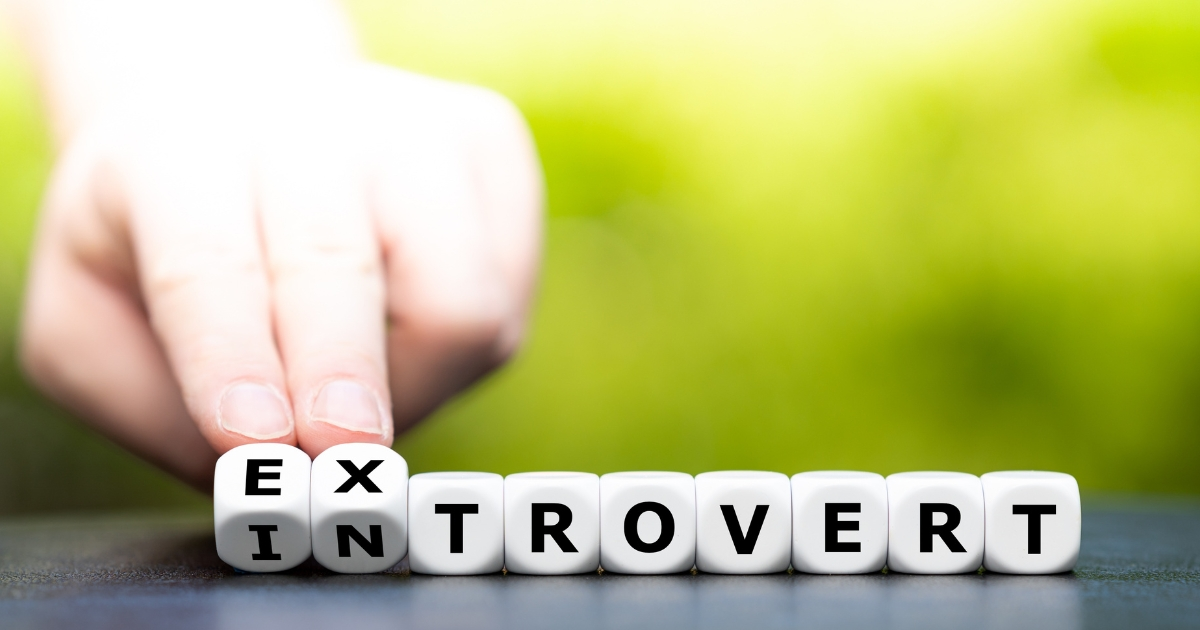
Understanding introvert behavior begins with recognizing that introversion represents a fundamental personality trait rather than a flaw or disorder requiring correction. When people ask, “What is an introvert?” they’re exploring how individuals naturally direct their energy inward, finding renewal and clarity through solitude rather than social interaction. This preference shapes how they communicate, process information, and navigate relationships throughout their lives. Recognizing introversion helps distinguish between healthy personality expression and potential mental health concerns that may require professional attention.
Many people wonder whether they are introverts when they notice that they feel drained after social gatherings or prefer quiet evenings at home to crowded events. They may even search for ‘Am I an Introvert Quiz’ for self-assessment. Understanding what it means to be an introvert reveals that these patterns reflect normal variations in human temperament that exist on a spectrum rather than fixed categories. However, confusion arises when introversion overlaps with social anxiety, depression, or trauma responses that cause genuine distress and functional impairment. Learning about introversion and how to know if you’re an introvert becomes essential for those questioning whether their behaviors stem from natural temperament or underlying psychological concerns. This exploration examines the core characteristics of introverted people, identifies common signs of introversion, and clarifies when professional support might benefit those struggling with isolation or avoidance patterns that extend beyond typical introverted behavior.

What Is an Introvert? Core Personality Characteristics
What is an introvert from a psychological perspective? This involves understanding how these individuals manage their mental and emotional energy throughout daily life. Psychologists describe introversion as a personality dimension in which people recharge their batteries through solitary activities rather than social stimulation. This energy management system operates automatically, meaning these individuals naturally feel restored after spending time alone with their thoughts, hobbies, or creative pursuits. The introvert personality traits include a preference for processing information internally before sharing thoughts with others, which often results in more deliberate and thoughtful communication patterns. Research shows that introverted brains respond differently to dopamine, the neurotransmitter associated with reward-seeking behavior, making quiet environments more naturally satisfying than high-stimulation social settings.
Understanding introversion requires recognizing that these characteristics exist on a spectrum rather than representing an all-or-nothing designation. Most people exhibit both introverted and extroverted qualities depending on context, energy levels, and specific situations they encounter. These individuals typically prefer deep, meaningful conversations with a few close friends rather than superficial small talk with many acquaintances. The characteristics of introverted people include careful observation before participation, preference for written communication when possible, and genuine enjoyment of solitary activities like reading, writing, or pursuing individual hobbies. These traits represent healthy personality variations that contribute valuable perspectives and strengths to workplaces, relationships, and communities when properly understood and respected.
| Personality Dimension | Introvert Traits | Extrovert Traits |
|---|---|---|
| Energy Source | Recharged by solitude and quiet reflection | Energized by social interaction and external stimulation |
| Communication Style | Prefers listening, thinks before speaking, values depth | Thinks out loud, enjoys talking, values breadth of connections |
| Social Preference | Small groups or one-on-one interactions | Large gatherings and group activities |
| Processing Style | Internal reflection before action | External discussion to process thoughts |
| Ideal Environment | Quiet spaces with minimal sensory input | Active environments with variety and stimulation |
Common Signs and Traits That Define Introversion
Recognizing introversion involves identifying specific behavioral patterns that consistently appear across different life situations and relationships. Signs of introversion include preferring written communication like email or text messages over phone calls or in-person conversations when possible. These individuals often need substantial alone time after social events to recover their energy, even when they genuinely enjoyed the gathering and the people involved. Many introverted individuals find themselves mentally rehearsing conversations before they happen or carefully considering their words before speaking in group settings. How to know if you’re an introvert involves examining whether you maintain smaller social circles with deeper connections rather than extensive networks of casual acquaintances.
Introversion becomes clearer when examining how these individuals approach decision-making and problem-solving throughout their daily lives. Introverts generally prefer having advance notice about social plans rather than spontaneous invitations, allowing them to mentally prepare and manage their energy accordingly. They often excel at independent work that requires sustained focus and may find open office environments or constant interruptions particularly draining. Understanding what it means to be an introvert reveals that many introverted people report having rich inner mental lives filled with creative thoughts, detailed observations, and complex reflections that they selectively share with trusted individuals. How to know if you’re an introvert includes recognizing these characteristics of introverted people as healthy personality expressions that contribute unique strengths to relationships, workplaces, and creative endeavors when properly recognized and valued by others.
- Preference for small groups: Introverts typically feel most comfortable and authentic in intimate gatherings of two to four people rather than large parties or crowded events where conversations remain superficial.
- Need for solitude to recharge: After social interaction, introverts require alone time to restore their mental and emotional energy, viewing solitude as essential self-care rather than loneliness or avoidance.
- Listening over talking: Introverted individuals naturally gravitate toward observer roles in group settings, preferring to listen carefully and contribute thoughtfully rather than dominating conversations or thinking out loud.
- Selective socializing: Rather than attending every available social event, introverts carefully choose which gatherings align with their interests and energy levels, declining invitations without guilt or explanation.
- Deep focus abilities: Introverts often demonstrate exceptional concentration on complex tasks, entering flow states more easily when working independently without external interruptions or collaborative demands.
- Thoughtful communication style: Before sharing opinions or making decisions, introverts typically process information internally, resulting in more deliberate and carefully considered responses than immediate reactions.
Understanding the Distinction Between Being an Introvert and Having Mental Health Concerns
Understanding what an introvert is becomes complicated when personality traits overlap with mental health conditions that cause genuine suffering and functional impairment. Healthy introversion involves choosing solitude for restoration and energy management, while isolation driven by social anxiety disorder stems from intense fear of judgment, embarrassment, or negative evaluation by others. Depression can intensify introversion as a personality trait, transforming a preference for quiet reflection into complete withdrawal from previously enjoyed activities and relationships. Trauma responses may cause someone to avoid social situations not because they drain energy but because they trigger overwhelming anxiety, flashbacks, or emotional dysregulation. The introvert vs extrovert differences become less relevant when behaviors shift from personality preference to avoidance patterns that prevent someone from pursuing goals, maintaining relationships, or engaging in necessary life activities.

Recognizing whether you are an introvert or have a mental health concern requires examining whether behaviors cause distress, impair functioning, or represent changes from previous baseline patterns. Warning signs include avoiding social situations entirely rather than simply limiting them, experiencing panic attacks or severe anxiety before gatherings, or feeling persistent loneliness despite craving connection. When introversion and mental health intersect, individuals may notice their alone time no longer feels restorative but instead reinforces negative thought patterns, rumination, or feelings of worthlessness. Physical symptoms like sleep disturbances, appetite changes, difficulty concentrating, or loss of interest in hobbies suggest depression rather than typical introvert behavior. Professional assessment helps clarify whether someone needs support for anxiety, depression, or trauma rather than simple acceptance of their introverted personality. Mental health professionals can distinguish between healthy personality traits and clinical conditions requiring evidence-based treatment approaches.
| Aspect | Healthy Introversion | Potential Mental Health Concern |
|---|---|---|
| Social Engagement | Selective participation based on interest and energy | Complete avoidance due to fear or overwhelming anxiety |
| Alone Time | Restorative and enjoyable solitary activities | Isolation reinforces negative thoughts or emptiness |
| Emotional State | Generally content with personality and lifestyle | Persistent sadness, anxiety, or distress about social situations |
| Functioning | Able to meet responsibilities and pursue goals | Impaired work, relationships, or daily activities |
| Flexibility | Can socialize when necessary or desired | Rigid avoidance regardless of circumstances or consequences |
Finding Support and Clarity at Santa Clara Mental Health
For individuals questioning whether they are introverted or experiencing mental health challenges, professional guidance provides clarity and appropriate support pathways. Santa Clara Mental Health offers comprehensive assessments that help distinguish between personality traits and clinical conditions requiring treatment intervention. Licensed therapists understand what it means to be an introvert for communication styles while addressing underlying anxiety, depression, or trauma that may be intensifying natural tendencies toward solitude and reflection. Treatment approaches respect individual temperament while building skills to manage distressing symptoms, improve relationships, and pursue meaningful life goals. Whether someone needs validation of their healthy introverted personality or evidence-based therapy for co-occurring mental health conditions, professional support creates space for authentic self-understanding without judgment or pressure to change fundamental aspects of identity. Reaching out for an evaluation represents strength and self-awareness rather than weakness or failure, helping clarify introversion in your unique experience.
FAQs About Introversion and Mental Health
How do I know if I’m an introvert or just have social anxiety?
Understanding what an introvert is helps clarify that introverts choose solitude because it restores their energy and feels naturally satisfying, while social anxiety involves fear-based avoidance of situations due to worry about judgment or embarrassment. If social situations cause significant distress, panic symptoms, or prevent you from pursuing goals and relationships you desire, anxiety rather than personality may be the primary factor.
Can introverts be happy and successful in social situations?
Absolutely—introversion reflects energy management preferences rather than social inability or incompetence. Introverts can excel in social settings, public speaking, and relationship building when they manage their energy through adequate alone time and selective engagement aligned with their values.
Is introversion a mental health disorder?
No, introversion is a normal personality trait found in approximately 25-40% of the population rather than a disorder requiring treatment. Introversion becomes a concern only when it overlaps with clinical conditions like depression or anxiety that cause distress and impair daily functioning.
Do introverts need therapy or treatment?
Introverts don’t need therapy simply for being introverted, but professional support helps when personality traits mask or intensify mental health conditions, causing suffering. Therapy becomes valuable when someone experiences persistent anxiety, depression, loneliness despite craving connection, or functional impairment beyond typical introverted preferences.
What’s the difference between being introverted and being depressed?
Introversion involves preferring solitude as an energy source while maintaining the ability to enjoy activities, relationships, and pursue goals when desired. Depression involves persistent low mood, loss of interest in previously enjoyed activities, changes in sleep and appetite, difficulty concentrating, and feelings of worthlessness that impair daily functioning regardless of personality type.