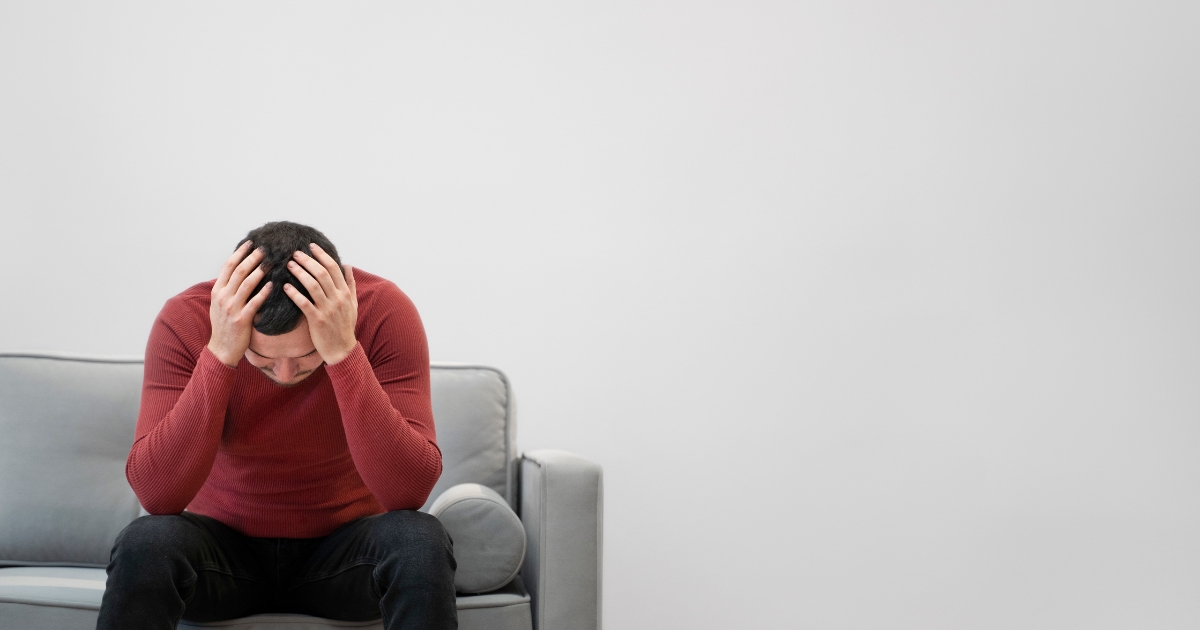

Have you ever felt your heart race before a big presentation or noticed your stomach twist when something went wrong? That is your body responding to anxiety. But what does anxiety feel like when it becomes more than just occasional stress? For many people, anxiety shows up physically – long before they even recognize it as a mental health concern.
The body and mind are deeply connected, and anxiety does not stay inside your head. It moves through your muscles, your chest, your breath, and your gut. Understanding these signals is the first step toward getting the help you deserve.
How Anxiety Manifests in Your Body
Anxiety is not just a feeling – it is a full-body experience. When your brain senses danger, whether real or imagined, it sends signals throughout your entire body. These signals trigger physical symptoms of anxiety that can range from mild discomfort to truly overwhelming sensations. Many people are surprised to learn that what they assumed was a physical illness was actually anxiety in disguise. Your body becomes a messenger, and once you understand its language, you can begin to respond with care.
The Physical Toll of Chronic Worry
Ongoing worry wears the body down over time. When your mind stays in an anxious loop, your muscles stay braced, your digestion slows, and your sleep suffers. People dealing with chronic anxiety often report persistent fatigue, jaw clenching, back pain, and frequent headaches. These symptoms do not appear overnight – they build gradually. That is what makes long-term anxiety particularly difficult to identify and address without professional support.
Why Your Body Reacts to Perceived Threats
Your brain cannot always tell the difference between a real threat and an imagined one. Whether you are running from danger or simply dreading a difficult conversation, the stress response fires the same way. Your body prepares to fight or flee – increasing your heart rate, tensing your muscles, and sharpening your senses. This reaction is meant to protect you. But when it fires repeatedly with no actual threat present, it starts to cause real harm.
Chest Tightness and Breathing Difficulties
One of the most alarming physical symptoms of anxiety is the feeling of chest tightness. Many people mistake it for a heart problem, which only makes the anxiety worse. Alongside this, shortness of breath is extremely common. Anxiety causes the breathing muscles to tighten, making each breath feel shallower than normal. Here is a quick look at how breathing is affected during anxiety:
| Breathing Pattern | What Happens | Why It Occurs |
| Rapid breathing | More breaths per minute | Fight-or-flight response activated |
| Shallow breathing | Air stays in upper chest only | Muscle tension restricts diaphragm |
| Breath-holding | Person holds breath without realizing | Brain focuses on perceived threat |
| Hyperventilation | Too much oxygen released | Leads to dizziness and tingling |
Understanding these patterns helps you recognize when your body is responding to anxiety symptoms rather than a medical emergency.
The Nervous System’s Role in Anxiety Responses
Your nervous system is the control center for everything anxiety does to your body. The moment your brain detects a threat, your autonomic nervous system takes over. This system operates below your conscious awareness – you cannot simply will it to stop.
According to the National Institute of Mental Health, anxiety disorders involve persistent activation of these nervous system pathways, which is why symptoms often feel automatic and uncontrollable.
How Stress Hormones Trigger Physical Reactions
When anxiety hits, your adrenal glands release cortisol and adrenaline – two powerful stress response hormones. Adrenaline speeds up your heart and sharpens your reflexes. Cortisol raises your blood sugar and suppresses non-essential functions like digestion.
Together, they create the physical storm that so many anxiety sufferers describe. These hormones are useful in genuine emergencies but become harmful when released constantly due to ongoing anxiety.
Recognizing Panic Attacks Versus General Nervousness
Panic attacks and nervousness are often confused, but they are quite different experiences. Nervousness is a low-level, steady discomfort – the kind you feel before an interview or a difficult conversation. Panic attacks, on the other hand, are sudden and intense. They peak within minutes and can include racing heart, chest tightness, sweating, trembling, and an overwhelming sense of fear.

Distinguishing Between Acute Fear and Ongoing Anxiety
Acute fear is a response to something specific and immediate – it passes once the situation resolves. Ongoing anxiety lingers without a clear cause. If you regularly feel dread, physical tension, or unease with no obvious trigger, that pattern points toward an anxiety disorder rather than situational nervousness. Recognizing this difference helps you seek the right kind of support.
Common Physical Manifestations of Anxiety Disorders
Anxiety symptoms can appear almost anywhere in the body. They vary from person to person, which is why anxiety is often misdiagnosed.
Common physical manifestations include:
- Muscle tension throughout the neck, shoulders, and back.
- Stomach cramps, nausea, or irritable bowel symptoms.
- Dizziness or a feeling of lightheadedness.
- Sweating, even when the temperature is cool.
- Tingling or numbness in the hands and feet.
- Trembling or shaking during moments of intense fear.
- Frequent urination or digestive disruption.
From Muscle Tension to Trembling
Muscle tension is one of the earliest signs that your body is under anxious strain. Over time, this tension builds into stiffness, soreness, and even trembling. Trembling occurs when the muscles have been held tight for so long that they begin to shake with the effort. This is a direct result of prolonged stress response activation.
How Your Body Communicates Emotional Distress
Understanding what does anxiety feel like means paying attention to signals your body sends long before your mind catches up. Stomach issues, persistent fatigue, frequent illness, and even skin flare-ups can all be signs of emotional distress expressing itself physically.
According to the Anxiety and Depression Association of America, millions of people experience anxiety-related physical symptoms without connecting them to their mental health. Your body is not overreacting – it is communicating. Learning to listen is a powerful step toward healing.
Taking Control of Your Symptoms With Santa Clara Mental Health
Understanding what does anxiety feel like in your body is only the beginning. At Santa Clara Mental Health, we help you move from awareness to real, lasting relief. Our experienced team offers compassionate, personalized care for people dealing with anxiety symptoms, panic attacks, and the physical toll of chronic worry.
You do not have to navigate this alone. Whether your symptoms are new or have been building for years, we are here to help you feel like yourself again. Reach out today and take the first step toward a calmer, healthier life. Visit Santa Clara Mental Health to schedule your appointment.

FAQs
-
Why does anxiety cause chest tightness and shortness of breath?
Anxiety activates your stress response, tightening the muscles around your chest. This tension restricts normal breathing and makes each breath feel much shallower. Your nervous system stays on high alert, keeping those physical symptoms going longer.
-
Can stress hormones trigger trembling and muscle tension without panic attacks?
Yes, cortisol and adrenaline can cause physical symptoms even without full panic. Chronic worry keeps these hormones elevated, producing ongoing tension and trembling. You do not need a panic attack for stress hormones to impact your body.
-
How quickly do physical anxiety symptoms appear during a nervous response?
Physical anxiety symptoms can begin within seconds of a perceived threat appearing. Your nervous system activates the stress response faster than your conscious mind reacts. Heart rate, breathing, and muscle tension all change almost immediately after triggering.
-
What’s the connection between worry and stomach issues or dizziness?
Chronic worry signals your brain to redirect blood flow away from your digestive system. This disruption causes nausea, cramping, and changes in how your stomach functions daily. Dizziness follows shallow breathing, which reduces oxygen flow and affects your balance.
-
Does nervousness always lead to visible panic attack symptoms?
No, nervousness and panic attacks are two separate and distinct anxiety experiences. Nervousness is mild and steady, while panic attacks are sudden and very intense. Most people with nervousness never experience a full panic attack at all.