
If you find yourself feeling fine during the day only to experience a wave of sadness once the sun goes down, you’re not alone. Many people notice their mood shifts in the evening hours, even when nothing particularly upsetting has happened. This pattern can feel confusing and isolating, but it often has identifiable causes rooted in biology, daily rhythms, and the way our minds process emotion. Understanding the causes behind evening mood shifts — and recognizing when they signal a deeper concern — is the first step toward finding relief. The question “Why do I get sad at night?” has identifiable answers rooted in biology, daily rhythms, and emotional processing.
This article explores the science behind evening mood changes, common triggers that make nighttime sadness worse, and practical strategies you can use right now. We’ll also discuss when these feelings may indicate a clinical condition that benefits from professional support.
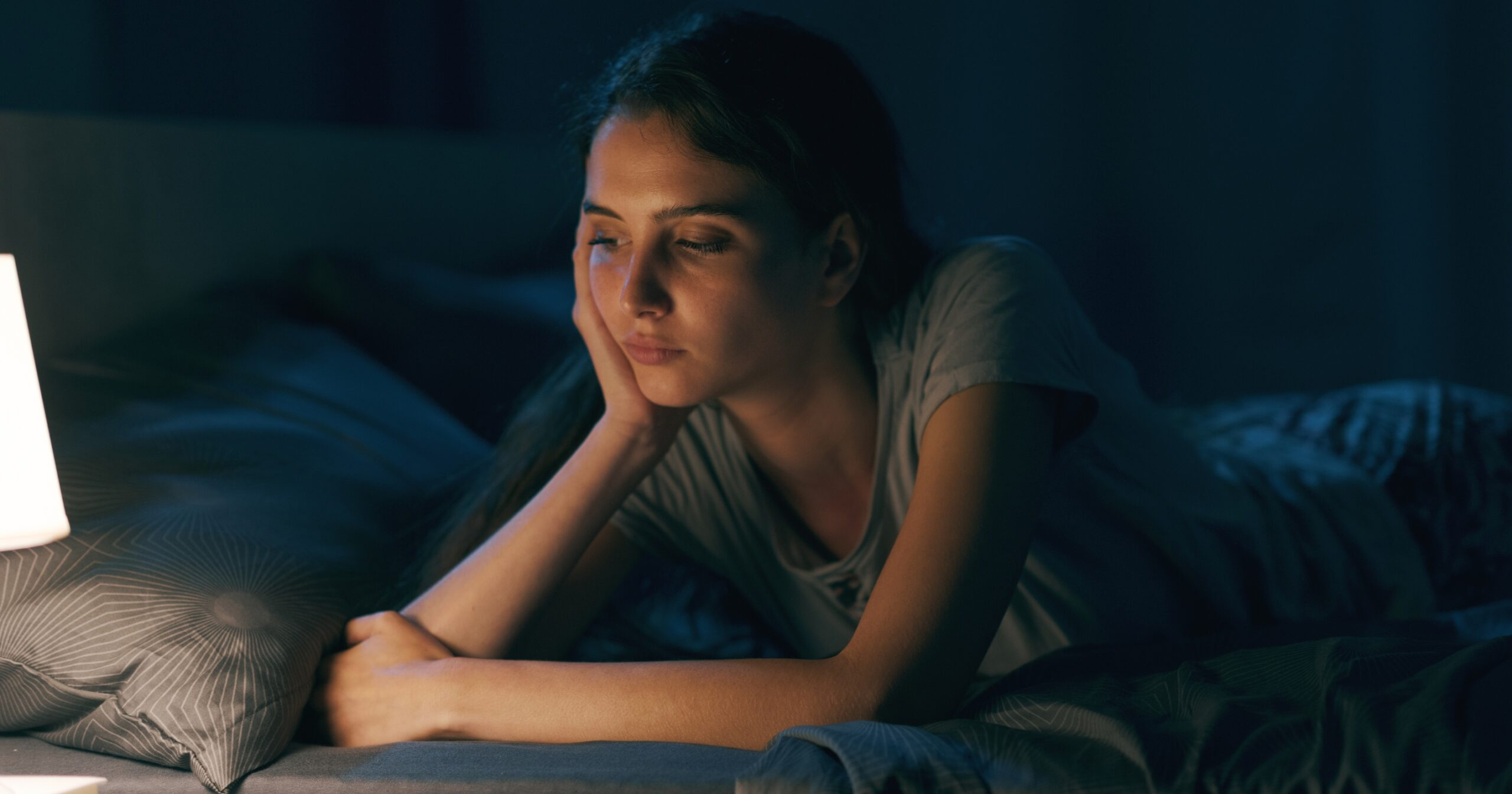
The Science Behind Why Sadness Hits Harder After Dark
Your body operates on a 24-hour internal clock known as the circadian rhythm, which regulates sleep, hormone release, and mood. During daylight hours, cortisol — a stress hormone that also supports alertness and motivation — peaks to help you stay engaged. As evening approaches, cortisol naturally declines while melatonin production ramps up to prepare you for sleep. This hormonal shift can leave you feeling less equipped to manage difficult emotions.
Beyond hormones, the evening brings fewer distractions. During the day, work tasks, social interactions, and routine responsibilities keep your mind occupied. Once those external demands fade, unprocessed thoughts and emotions have room to surface. This quiet space often triggers rumination.
Typical circadian patterns — individual experiences may vary.
| Time of Day | Cortisol Level | Typical Mood Impact |
|---|---|---|
| Morning (6–9 a.m.) | Highest | Increased alertness, motivation, emotional resilience |
| Afternoon (12–5 p.m.) | Moderate | Stable mood, sustained focus |
| Evening (6–10 p.m.) | Low | Reduced stress tolerance, heightened emotional reactivity |
| Night (10 p.m.–midnight) | Lowest | Vulnerability to sadness, rumination, and anxiety |
Common Triggers That Make Nighttime Sadness Worse
While biology sets the stage, specific triggers often determine whether you experience mild melancholy or overwhelming distress. One of the most common culprits is loneliness. At night, when those interactions stop, you notice the absence of connection more acutely. This explains why loneliness is worse at night — you’re alone with your thoughts without the buffer of daytime activity.
Fatigue also plays a significant role. Physical exhaustion lowers your capacity to regulate emotion, making it harder to challenge negative thoughts or shift perspective. If you’ve had a demanding day, your mental reserves are depleted by evening, leaving you less able to cope with stress or sadness. This is compounded by overthinking patterns.
- Scrolling through social media and comparing your life to curated highlight reels from others, which fuels feelings of inadequacy.
- Dwelling on regrets or unresolved conflicts from earlier in the day without a plan to address them.
- Anticipating tomorrow’s stressors — deadlines, difficult conversations, or responsibilities — without taking action to prepare.
- Physical exhaustion paired with a mind that hasn’t had time to process the day’s events, creating a disconnect between body and brain.
Recognizing Nighttime Depression Symptoms
Occasional sadness in the evening is a normal response to stress, fatigue, or temporary life challenges. If you’re asking yourself, “Why do I get sad at night?” more than occasionally, pay attention to whether the pattern persists. But when this pattern becomes persistent and begins to interfere with your daily functioning, it may signal a mood disorder. These nighttime depression symptoms often include more than just feeling down — they encompass changes in sleep, appetite, energy, and the ability to enjoy activities you once found meaningful.
Key indicators that your nighttime sadness may reflect clinical depression include difficulty falling asleep or staying asleep, waking up feeling unrefreshed, losing interest in hobbies or social plans you used to look forward to, and experiencing physical symptoms like headaches or digestive issues without a clear medical cause. If you notice these patterns occurring most nights for two weeks or longer, it’s worth considering whether professional evaluation would be helpful.
What Causes Depression at Night Versus Situational Sadness
Distinguishing between temporary emotional responses and chronic mood disturbances helps answer what causes depression at night versus situational sadness. Situational sadness typically improves as circumstances change. Depression, by contrast, persists even when external conditions stabilize. It’s characterized by pervasive hopelessness, self-criticism, and a sense that nothing will improve.
People with depression often experience automatic negative thoughts that feel true but aren’t based in evidence. These might include beliefs like “I always fail,” “No one cares about me,” or “Things will never get better.”
When Sadness at Night Means Depression
Certain red flags indicate that your nighttime sadness has crossed into clinical territory. Thoughts of self-harm or suicide — even if fleeting — always warrant immediate professional attention. If you or someone you know is in crisis, call or text 988 to reach the Suicide & Crisis Lifeline, available 24/7.
Other warning signs include significant changes in appetite or weight, persistent fatigue that doesn’t improve with rest, difficulty concentrating or making decisions, and a pervasive sense of worthlessness or guilt. When persistent nighttime sadness indicates clinical depression, the condition rarely resolves on its own. Evidence-based treatments — including therapy, medication, or a combination of both — offer effective pathways to recovery.
| Symptom Category | Occasional Sadness | Clinical Depression |
|---|---|---|
| Duration | A few days to a week | Two weeks or longer, most days |
| Triggers | Identifiable stressor or event | Persists even without clear cause |
| Impact on Function | Minimal disruption to work, relationships, self-care | Significant interference with daily responsibilities |
| Response to Support | Improves with rest, social connection, or problem-solving | Limited improvement without professional treatment |
Immediate Strategies to Ease Sadness Before Bed
If you’re searching for how to stop feeling sad before bed, the most effective approach is to create a structured evening routine that signals to your brain it’s time to transition from the day’s demands to rest.
Journaling is another powerful tool for processing emotions that surface at night. Rather than trying to suppress or ignore difficult feelings, spend 10 to 15 minutes writing them down.
Physical movement, even light activity, helps regulate mood by releasing endorphins and reducing muscle tension.
Limiting screen time in the hour before bed is also crucial. If you do use devices, enable night mode and avoid content that’s emotionally charged or overly stimulating. Instead, practicing gratitude by listing three things that went well during the day can promote calm and connection.

Turning Nighttime Sadness Into Morning Clarity at Santa Clara Mental Health
If persistent evening anxiety and sadness doesn’t improve with self-help strategies — or when symptoms begin to interfere with your sleep, relationships, or daily responsibilities — professional support can make a meaningful difference. Santa Clara Mental Health offers compassionate, evidence-based care for individuals experiencing mood disorders, anxiety, and related concerns. Our team understands that nighttime symptoms often reflect deeper patterns that benefit from structured treatment.
We provide flexible therapy options, including evening appointments for those whose schedules make daytime sessions difficult. We’ll work with you to develop a personalized treatment plan that fits your needs. Reach out today for a confidential consultation and take the first step toward feeling more like yourself again.
FAQs
Here are answers to common questions about evening mood changes and when to seek support.
1. Why do I get sad at night even when my day was fine?
During the day, work tasks and social interactions keep your mind occupied, often suppressing difficult emotions. Once those distractions fade in the evening, unprocessed feelings and worries have space to emerge. Hormonal shifts — particularly the drop in cortisol and rise in melatonin — also reduce your emotional resilience, making sadness feel more intense after dark.
2. Is it normal to cry at night for no reason?
Occasional nighttime crying can be a healthy emotional release, especially if you’ve been holding in stress or sadness throughout the day. However, if you find yourself crying frequently without understanding why, or if it’s accompanied by other symptoms like sleep disruption or loss of interest in activities, it may indicate an underlying mood disorder worth discussing with a mental health professional.
3. Can lack of sleep cause nighttime sadness or does sadness cause sleep problems?
The relationship between sleep and mood is bidirectional — each condition can trigger and worsen the other. Poor sleep reduces your ability to regulate emotions, making you more vulnerable to sadness and anxiety.
4. What should I do when I feel sad at night and can’t sleep?
Rather than forcing yourself to rest, get out of bed and engage in a calming activity like journaling, gentle stretching, or reading under dim light. Avoid screens and stimulating content, and practice slow, deep breathing to activate your body’s relaxation response.
5. How long should I try self-help strategies before seeking professional help for nighttime sadness?
If you’ve been consistently applying self-care strategies for two to three weeks without noticeable improvement, it’s reasonable to consult a mental health professional. If you’re experiencing severe symptoms — such as thoughts of self-harm, significant impairment in daily functioning, or intense distress — seek help immediately rather than waiting.