Bipolar disorder can feel like living at the mercy of your own moods – swept from energized highs into depleting lows, often without warning. These shifts are not a lack of discipline or a flaw in your character. They are symptoms of a real, manageable medical condition rooted in brain chemistry. With the right treatment, the extremes can level out, and a stable, fulfilling life is well within reach.
Santa Clara Mental Health provides specialized bipolar disorder treatment for adults across the Bay Area. Our psychiatrists and therapists combine expert medication management with proven therapy and education to stabilize mood, prevent relapse, and help you regain a sense of control. Whether you were recently diagnosed or have managed bipolar disorder for years, we offer personalized treatment options – including same-day admissions when you need immediate support.
Reach out to Santa Clara Mental Health today at (408) 741-9292 or contact our team to speak with a specialist and take the first step toward steadier ground.
Bipolar disorder is one of the mood disorders, distinguished by dramatic shifts between emotional highs – mania or hypomania – and lows of depression. During elevated periods, energy, confidence, and activity surge, sometimes to the point of risky decisions; during depressive periods, the same person may struggle to get out of bed. These episodes can last days, weeks, or longer, with periods of stability in between.
Bipolar disorder arises from a combination of genetics, brain chemistry, and life stress, and it is not something a person can simply will away. While it is a lifelong condition, it is highly manageable with the right care. Because it affects mood, sleep, relationships, and judgment together, treatment must address the whole picture. Our whole-person mental health approach combines medication, therapy, and education for lasting stability.
Bipolar disorder exists on a spectrum, and identifying your specific type is essential to effective treatment. Our clinical team is experienced across the full range.
Bipolar I involves at least one full manic episode – a period of intensely elevated or irritable mood and energy that can disrupt daily life and sometimes requires urgent care. Depressive episodes are common as well, though not required for the diagnosis.
Bipolar II is defined by hypomania – a milder form of mania – alongside major depressive episodes. Because the highs are less obvious, bipolar II is often mistaken for depression, yet its depressive lows can be just as serious and deserve specialized care.
Cyclothymia involves chronic, fluctuating mood – numerous periods of hypomanic and depressive symptoms that do not meet the threshold for full episodes but persist over years. Though milder, it can be deeply disruptive and tends to benefit from early treatment.
Some people experience four or more mood episodes in a year, or symptoms of mania and depression at the same time. These patterns can be especially destabilizing and call for careful, closely monitored treatment.
Bipolar disorder frequently appears alongside anxiety and other challenges that can complicate mood and treatment. Our assessments weigh your full mental health across the range of conditions we treat, so your plan reflects the complete picture.
Bipolar disorder is defined by the contrast between two very different states. Recognizing both – and the pattern of shifting between them – is key to getting an accurate diagnosis and the right help.
Effective bipolar treatment combines medical stability with the skills and knowledge to stay well over time. After a thorough assessment, your team builds a plan from our broader therapy options, drawing on methods that fall under Evidence-Based Therapy and are proven effective for bipolar disorder.
Medication is the foundation of bipolar disorder treatment. Our board-certified psychiatrists use mood stabilizers and other carefully chosen medications to even out the highs and lows and prevent future episodes, monitoring your response and adjusting over time. Every decision is made collaboratively, with your input at the center.
Understanding bipolar disorder is one of the most powerful tools for managing it. Psychoeducation groups teach you and your loved ones to recognize early warning signs, protect healthy sleep and routines, and respond before a mood shift escalates – skills that are central to preventing relapse.
CBT helps you identify the thought patterns and triggers that contribute to mood episodes, and develop practical strategies to manage them. It supports steadier thinking through both highs and lows and reinforces the habits that keep you well.
DBT skills – mindfulness, distress tolerance, emotion regulation, and interpersonal effectiveness – are especially helpful for managing the emotional intensity and impulsivity that bipolar disorder can bring, giving you concrete tools to stay grounded.
Bipolar disorder affects the whole family, and family involvement strongly supports recovery. Family therapy helps loved ones understand the condition, improve communication, and provide steady, informed support through both stable and difficult times.
The right level of care depends on where you are in the course of bipolar disorder – whether you are stabilizing an acute episode or maintaining hard-won balance. Santa Clara Mental Health offers several levels of care and helps you find the right fit, with the flexibility to adjust as your needs change.

When a manic or depressive episode becomes severe or unsafe, residential treatment provides round-the-clock support in a structured, pet-friendly Santa Clara setting. Daily therapy, close psychiatric monitoring, and medication management help stabilize acute symptoms and establish the routines that protect long-term stability.

As mood stabilizes, our Virtual Intensive Outpatient Program offers continued structure from home through several clinician-led sessions each week. It blends therapy, skill-building, and education around your schedule – a strong fit for maintaining progress while balancing work and family.

Living well with bipolar disorder is a long-term effort, and ongoing support makes the difference. Our aftercare and discharge planning team helps you sustain stability with continued psychiatric care, relapse-prevention strategies, and check-ins well beyond your structured treatment.
Specialized bipolar treatment based in Santa Clara and easy to reach across the South Bay and Peninsula, so you stay connected to your life while you get well.
Residential, Virtual IOP, and aftercare are delivered by the same team, providing seamless, continuous care as your needs change over the years.
We treat the full cycle – both the highs of mania and the lows of depression – rather than focusing on one pole at the expense of the other.
On-site psychiatrists carefully manage mood stabilizers and other medications, the foundation of keeping bipolar disorder steady over time.
Beyond easing current symptoms, we teach you to recognize warning signs and protect your routines, so relapse becomes less likely.
Bipolar disorder is often mistaken for depression. We take the time to get the diagnosis right, because the right diagnosis drives the right treatment.
Bipolar disorder treatment begins with getting the full picture. Because the condition is so often mistaken for depression, an accurate diagnosis is the essential first step – so your care starts with a thorough psychiatric evaluation of your mood history, episodes, and how symptoms affect your life.
From there, your team builds a plan focused on two goals at once: stabilizing your current mood and protecting your stability going forward. Alongside medication, individual therapy gives you a consistent space to track your moods, understand your triggers, and strengthen the routines that keep episodes at bay.
Bipolar disorder is managed over a lifetime, and we plan accordingly. Your team monitors your response closely, fine-tunes medication as needed, and helps you and your loved ones recognize early warning signs – so that as treatment progresses, you gain not just stability but the confidence to maintain i
The Bay Area’s relentless pace and pressure can be especially hard on a condition defined by mood and sleep. Demanding schedules can disrupt the routines that keep bipolar disorder stable, while a culture of constant achievement can make the highs feel rewarded and the lows feel like failure. Many capable people here cycle privately through extremes while appearing to keep it all together.
Bipolar disorder is a medical condition, not a personal shortcoming, and it responds well to treatment. At Santa Clara Mental Health, we work with professionals, parents, students, and people from every walk of Bay Area life who are ready to find balance and stay well. Seeking help is a sign of strength, not weakness.
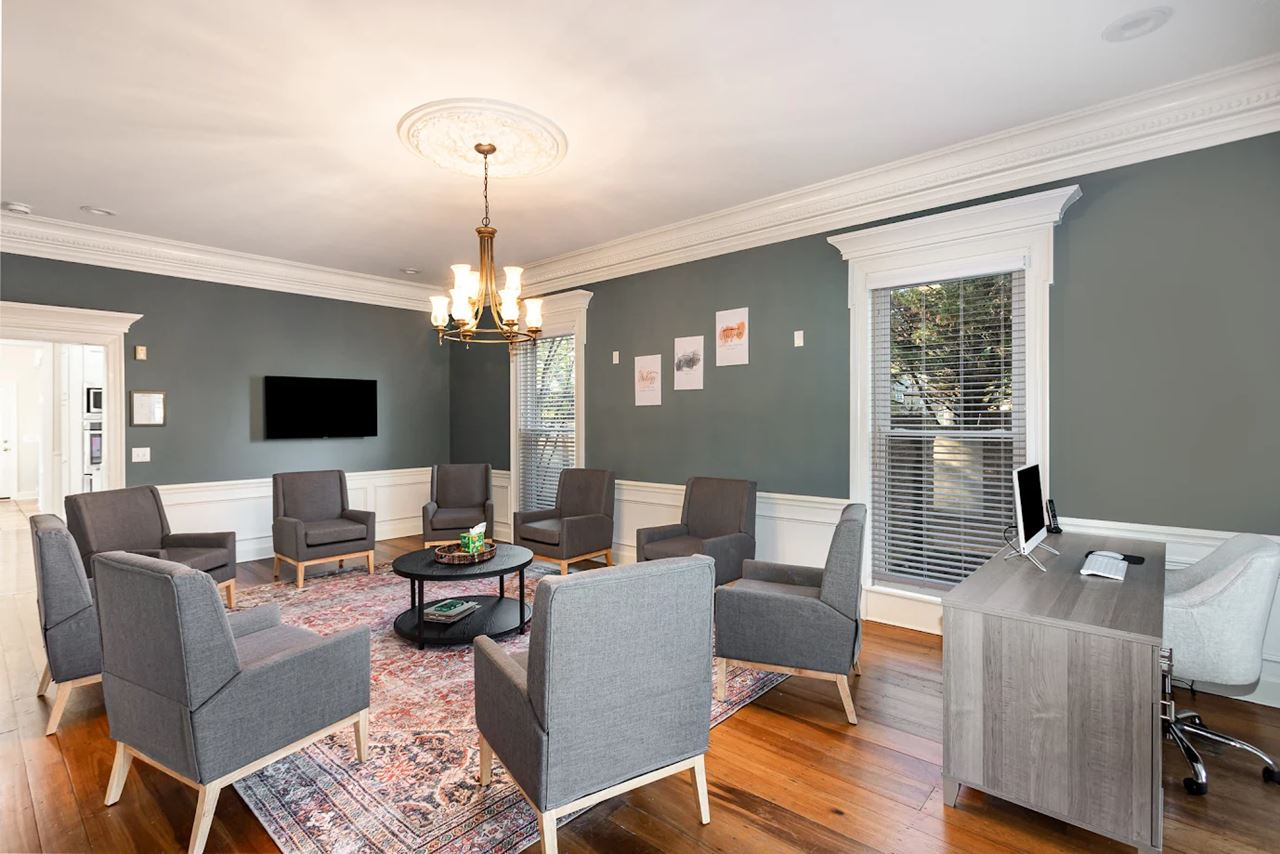
Our Santa Clara facility anchors the locations we serve across the South Bay and Peninsula, keeping expert care close to home. You are welcome to tour our facility or learn more about us before deciding what feels right for you.
Reaching out for bipolar disorder treatment is a powerful first step toward stability, and we make it simple. Call (408) 741-9292 or connect through contact our team, and a member of our admissions team will listen, answer your questions, and help you find the right place to begin – confidentially and without pressure.
We take care of the rest.
Our admissions process guides you through scheduling your evaluation and confirming your coverage, and you can verify your insurance in just a few minutes. Whenever you are ready, we are here to help you build a steadier, more balanced life.
Yes. While bipolar disorder is a lifelong condition, it is highly treatable and manageable. With the right combination of medication, therapy, and education, most people achieve lasting stability and lead full, productive lives. Treatment focuses on reducing episodes, easing their intensity, and helping you stay well between them.
The main difference is the intensity of the elevated mood. Bipolar I involves full manic episodes, which can be severe and sometimes require urgent care. Bipolar II involves hypomania – a milder high – along with major depressive episodes. Both are serious and treatable, but they are managed somewhat differently.
Both involve depressive lows, but bipolar disorder also includes periods of mania or hypomania, which depression alone does not. This distinction matters greatly, because treating bipolar disorder as ordinary depression can sometimes worsen symptoms. A careful evaluation ensures you receive the right treatment.
Because bipolar disorder is managed over the long term, treatment is best thought of as ongoing care rather than a fixed course. Many people move from more intensive support to maintenance over time, with aftercare and periodic check-ins helping protect their stability for years to come.
Yes – we work with most major insurance providers in California. The quickest way to check your coverage is to verify your insurance, or call (408) 741-9292 and our admissions team will confirm your benefits for you.
It is. We recognize the comfort and routine an animal can provide, so Santa Clara Mental Health welcomes pets as part of our pet-friendly environment.
By using this Website, you agree to our Privacy Policy and Terms of Use. We use cookies and similar technologies, including pixels and web beacons, for analytics and advertising. Some of our providers may receive information collected through these technologies and use it in accordance with their own privacy policies. Select “Preferences” to customize your choices, “Accept” to allow all cookies and similar technologies, or “Decline” to allow only those necessary to operate the Website. You can change your choices at any time.